
CHI's Opioid Plan Finds Audience Beyond State Lines

Image
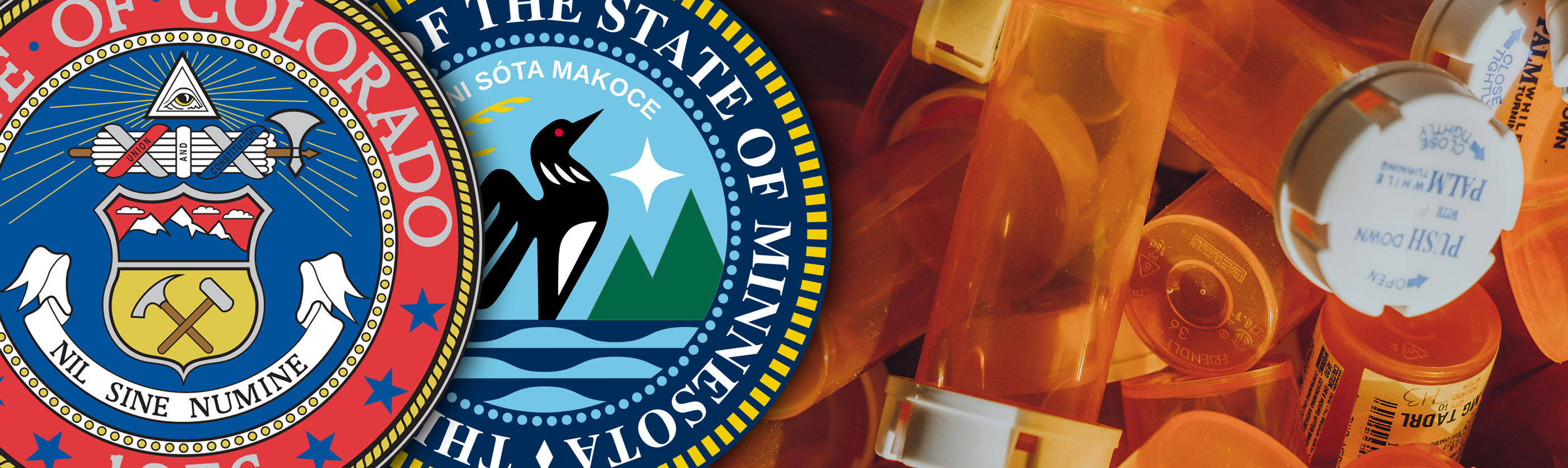
Image of Colorado and Minnesota state seals on top of a pile of prescription pill bottles

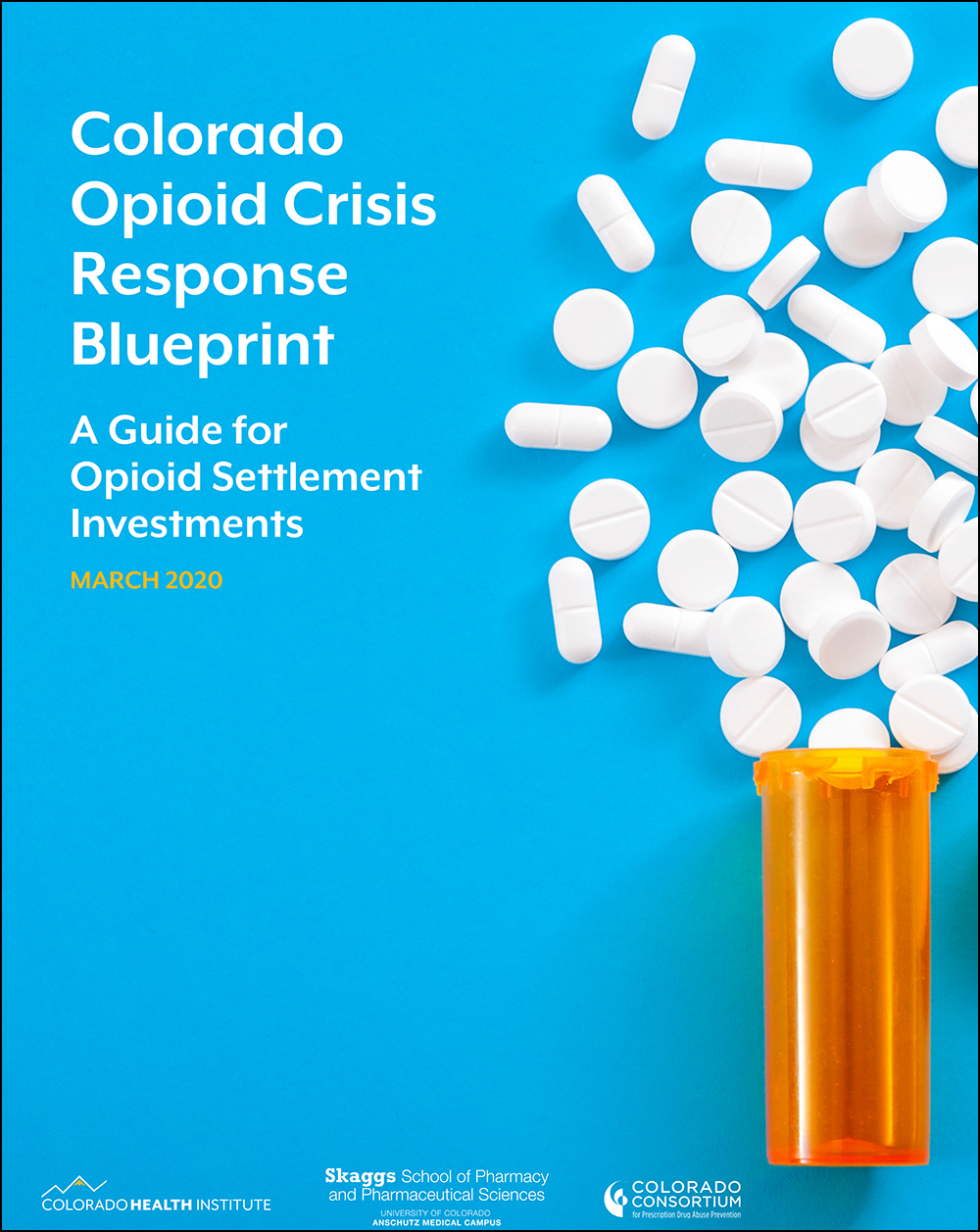
When the Colorado Health Institute released the Colorado Opioid Crisis Response Blueprint in 2019, we sought to equip Colorado communities with a practical guide for thinking about how to invest anticipated opioid settlement dollars. What CHI didn’t expect was that the Blueprint would eventually inform decision-making far beyond Colorado. 

CHI’s opioid blueprint document summarized the magnitude of the opioid crisis, outlined the state and local infrastructure already in place, and presented 20 possible investment options organized into four domains: prevention, treatment and recovery, harm reduction, and criminal justice. CHI provided this guidance to help state and local decision-makers plan strategically before settlements arrived, preventing fragmented spending and building consensus among diverse stakeholders with competing priorities. 

To understand how experts would prioritize these options, CHI surveyed professionals from public health, clinical care, law enforcement, and government. Respondents allocated a hypothetical $100 million in settlement funding. Their responses highlighted a clear theme: treatment and recovery services were the highest priority, followed by prevention and criminal justice, and finally harm reduction. The report then used these findings to lay out potential pathways for community investment. 

The Blueprint was not a prescriptive plan. Instead, it offered communities a way to think about the spectrum of strategies available and the tradeoffs involved while acknowledging the need for local tailoring based on workforce capacity, cost-effectiveness, sustainability, and desired outcomes. 
A Familiar Framework in Minnesota 

Hundreds of miles away in 2022, leaders in St. Louis County, Minnesota, were preparing a plan for how to spend their share of opioid settlement dollars, more than $18 million distributed over roughly 18 years. Minnesota Attorney General Keith Ellison had secured more than half a billion dollars in statewide settlements through lawsuits against pharmaceutical companies and distributors, with most funds flowing directly to counties and local governments. St. Louis County, which includes Duluth, created a committee of community representatives and county officials to guide its decisions. As they built their approach for choosing strategies, the county turned to CHI's blueprint as a key resource, along with materials from Johns Hopkins and other national sources.  

Jana Blomberg, Program Coordinator for St. Louis County Public Health and Human Services, said the Blueprint quickly became a part of the committee’s resource toolkit 
when she joined the effort. "The Colorado framework offered a clear structure that could be adapted to our local needs," Blomberg said. "It helped ground our conversations and understand how different approaches fit together." 

How St. Louis County Put the Ideas to Work 

St. Louis County’s committee began distributing funds in 2022, focusing its first round of investments, more than $1 million, on harm reduction and broad prevention, including: 

  • Youth-focused prevention
  • Stigma reduction
  • Support for organizations providing harm-reduction services 

“The Colorado framework offered a clear structure that could be adapted to our local needs,” Blomberg said. “It helped ground our conversations and understand how different approaches fit together.” 

In later rounds, the county expanded its focus to include proactive prevention strategies and criminal-justice-related interventions. The committee plans to continue revisiting priorities with direct input from residents. 

“We wanted to build trust. This isn’t just St. Louis County’s funds,” Blomberg added. “People directly affected by the opioid crisis should have a voice in how funds are used.” 

Why It Matters 

For CHI, seeing its work influence policy outside Colorado is a meaningful reminder of the impact that research can have when shared widely. The opioid crisis is national in scale, and so is the challenge of responsibly managing billions of settlement dollars. “Our goal was always to create a model that others could adapt,” said Sara Schmitt, CHI President and CEO. “If something developed here in Colorado helps another community build a fair and effective response, that’s exactly the kind of ripple effect we hope for.” 

Looking Ahead 

Minnesota’s Attorney General noted that settlement dollars can never undo the loss and trauma created by the opioid crisis, but they provide an opportunity to protect lives moving forward. Communities across the country are now determining how to put these funds to work sustainably and effectively. 

As those decisions continue, frameworks like the Colorado Blueprint remain valuable tools for grounding discussions in evidence, expert insight, and a clear explanation of investment options. 

“This work reminds us that data and compassion go hand in hand,” Schmitt said. “That is what makes public health stronger everywhere.”